|
El Genesis GV60 Electrifica las
Carreteras de Puerto Rico

El rugido de los motores de combustión está perdiendo volumen en las
calles de Puerto Rico, dando paso a un zumbido tecnológico que
promete cambiar el panorama automotriz de la isla. La llegada del
Genesis GV60, el primer modelo de alto rendimiento totalmente
eléctrico de la marca de lujo coreana, no es solo un lanzamiento
comercial; es una declaración de intenciones sobre el futuro de la
movilidad sostenible en el Caribe.
Este crossover compacto, que aterrizará en los concesionarios
locales este verano, destaca por un diseño audaz que rompe con la
estética tradicional. Sin embargo, su verdadero valor reside bajo el
chasis. Con una arquitectura eléctrica de vanguardia, el GV60 ofrece
una carga ultrarrápida y una autonomía que alivia la ansiedad de los
conductores puertorriqueños frente a la infraestructura de carga en
desarrollo.
La apuesta de Genesis llega en un momento crítico, donde el alto
costo de la energía y la conciencia ambiental están impulsando a los
consumidores hacia alternativas más limpias. Más allá de su
potencia, el vehículo integra biometría avanzada, permitiendo el
acceso mediante reconocimiento facial. Este hito marca un punto de
inflexión para el sector automotriz nacional, posicionando a Puerto
Rico como un mercado emergente y receptivo para la alta tecnología
eléctrica. La transición energética ya no es una promesa lejana,
sino una realidad elegante y potente que comienza a rodar por
nuestras autopistas.
The Genesis GV60 Electrifies Puerto
Rico’s Roads
The roar of internal
combustion engines is fading on Puerto Rico’s streets, giving way to
a technological hum that promises to reshape the island’s automotive
landscape. The arrival of the Genesis GV60, the first high-performance
fully electric model from the Korean luxury brand, is not merely a
commercial launch; it is a bold statement about the future of
sustainable mobility in the Caribbean.
This compact crossover, set to hit local dealerships this summer,
stands out with a daring design that breaks traditional aesthetics.
However, its true value lies beneath the chassis. Featuring cutting-edge
electric architecture, the GV60 offers ultra-fast charging and a
range that eases the anxiety of Puerto Rican drivers regarding the
developing charging infrastructure.
Genesis's bet comes at a critical moment, as high energy costs and
environmental awareness are pushing consumers toward cleaner
alternatives. Beyond its raw power, the vehicle integrates advanced
biometrics, allowing access through facial recognition technology.
This milestone marks a turning point for the national automotive
sector, positioning Puerto Rico as an emerging and receptive market
for high-end electric tech. The energy transition is no longer a
distant promise but an elegant, powerful reality starting to roll
across our highways. For local enthusiasts, this launch represents
the perfect marriage between luxury performance and ecological
responsibility, proving that the road ahead for the island is
undeniably electric, quiet, and sophisticated. It is a new era for
Boricua drivers.
Puente Comercial: El Plan Estratégico
de Perú en El Salvador
El gobierno peruano ha intensificado hoy una serie de rondas de
negociación cruciales con El Salvador, buscando consolidar un
Tratado de Libre Comercio que promete transformar la dinámica
económica regional. Esta iniciativa no se limita al intercambio de
materias primas;
|
|
el enfoque principal radica en la
exportación de bienes culturales y productos agroindustriales con alto valor
añadido. Para los productores peruanos, este acercamiento representa una ventana
de oportunidad invaluable para posicionar el talento y la biodiversidad andina
en el corazón de Centroamérica.
Las mesas de trabajo actuales subrayan un compromiso por diversificar los
mercados en un momento de volatilidad global. Al priorizar sectores como la
gastronomía, la artesanía y la tecnología agrícola, Perú busca fortalecer su
identidad nacional mientras genera empleos sostenibles. Esta alianza estratégica
permitiría que las pequeñas y medianas empresas peruanas compitan en igualdad de
condiciones, aprovechando la ubicación logística de El Salvador. Expertos
señalan que este acuerdo es un paso vital para la resiliencia económica del sur,
demostrando que la integración cultural es el motor más potente para el
crecimiento financiero. Con estas acciones, Lima reafirma su liderazgo en la
diplomacia comercial, tejiendo redes que van más allá de lo económico para
abrazar el intercambio humano y creativo.
Commercial Bridge: Peru’s Strategic Blueprint in
El Salvador
The Peruvian government has
intensified a series of crucial negotiation rounds with El Salvador today,
seeking to consolidate a Free Trade Agreement that promises to transform
regional economic dynamics. This initiative is not limited to the exchange of
raw materials; the primary focus lies in exporting cultural goods and
agro-industrial products with high added value. For Peruvian producers, this
rapprochement represents an invaluable window of opportunity to position Andean
talent and biodiversity in the heart of Central America.

Current working groups underscore a commitment to diversifying markets during a
time of global volatility. By prioritizing sectors such as gastronomy,
craftsmanship, and agricultural technology, Peru aims to strengthen its national
identity while generating sustainable jobs. This strategic alliance would allow
Peruvian small and medium-sized enterprises to compete on a level playing field,
leveraging El Salvador's logistical location. Experts note that this agreement
is a vital step for southern economic resilience, proving that cultural
integration is the most powerful engine for financial growth. Through these
actions, Lima reaffirms its leadership in commercial diplomacy, weaving networks
that go beyond economics to embrace human and creative exchange. This
partnership signals a new era where cultural heritage becomes a primary asset
for international trade and shared prosperity.
Resiliencia en el Sur: El Diagnóstico del Banco
Mundial

El Banco Mundial lanzó hoy una advertencia clara: América Latina enfrentará un
crecimiento ralentizado durante 2026. Sin embargo, en medio de este enfriamiento
económico, países como Brasil y Perú emergen como faros de estabilidad. Según el
organismo, la clave de este éxito radica en una disciplina fiscal inquebrantable
que ha permitido a estas naciones resistir los embates de la inflación global.
Mientras la región se ajusta a una nueva realidad financiera, el reporte destaca
que
|
|
la prudencia
administrativa no es solo una métrica técnica, sino el escudo que protege los
programas sociales y la inversión cultural.
Para el ciudadano común, esto significa una mayor protección frente a la
volatilidad de precios. Aunque el panorama general es cauteloso, el dinamismo de
las principales potencias del sur demuestra que el rigor económico es el camino
más seguro hacia la supervivencia y el progreso en tiempos inciertos.
Southern Resilience: The World Bank’s Economic
Forecast
The World Bank issued a clear
warning today: Latin America will face slowed growth throughout 2026. However,
amidst this economic cooling, nations like Brazil and Peru are emerging as
beacons of stability. According to the organization, the key to this success
lies in unwavering fiscal discipline that has allowed these countries to
withstand the blows of global inflation. As the region adjusts to a new
financial reality, the report highlights that administrative prudence is not
merely a technical metric, but the shield protecting social programs and
cultural investment.
For the average citizen, this translates into better protection against price
volatility. While the general outlook remains cautious, the dynamism shown by
the South’s leading powers proves that economic rigor is the safest path toward
survival and progress in uncertain times. This resilience offers a vital glimmer
of hope for the entire continent's future prosperity.
Tensiones de Acero: Protestas en ArcelorMittal
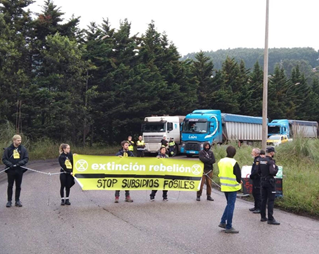
La industria siderúrgica europea enfrenta hoy una jornada crítica. Los
trabajadores de ArcelorMittal en el norte de España han tomado las calles,
elevando un clamor que trasciende lo económico. El corazón de la protesta no es
solo el salario, sino el alarmante deterioro de la atención sanitaria dentro de
las plantas. En un sector donde el riesgo físico es constante, la falta de
servicios médicos adecuados se ha vuelto insoportable para quienes sostienen la
producción de acero. Esta movilización pone de relieve la tensa cuerda floja
entre la productividad industrial y la dignidad humana.
Mientras la empresa busca eficiencia en un mercado global competitivo, los
empleados exigen que su bienestar sea la prioridad absoluta. El conflicto en las
cuencas siderúrgicas sirve como un recordatorio urgente para toda Europa: no
puede haber crecimiento económico sólido si se descuida la salud de la fuerza
laboral.
Steel Tensions: Protests Erupt at ArcelorMittal
The European steel industry faces a
critical day as ArcelorMittal workers in northern Spain have taken to the
streets, raising a cry that transcends mere economics. The heart of this protest
is not just about wages, but the alarming deterioration of healthcare services
within the plants. In a sector where physical risk is a constant reality, the
lack of adequate medical support has become unbearable for those sustaining
steel production.
This mobilization highlights the tightrope between industrial productivity and
human dignity. While the company seeks efficiency in a competitive global market,
employees demand that their well-being remains the absolute priority. The
conflict in the steel basins serves as an urgent reminder for all of Europe:
solid economic growth cannot exist if the health of the workforce is neglected.
Human safety must be the foundation upon which the future of heavy industry is
built.
|