|
El Ministro de Hacienda en el Ojo del Huracán por
Choque con Banqueros en Pereira
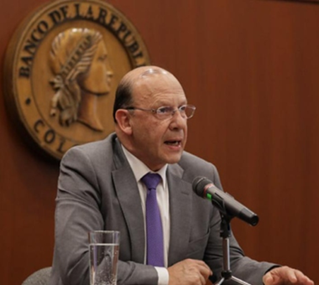
La tensión entre el Gobierno Nacional y el sector financiero alcanzó un nuevo
punto de ebullición durante una sesión de la Comisión Cuarta de la Cámara de
Representantes en Pereira. El Ministro de Hacienda, en un discurso cargado de
vehemencia, lanzó una advertencia que ha sacudido los cimientos de la banca
colombiana al afirmar que "no es posible que siete personas decidan el futuro
económico del país".
Esta declaración, lejos de ser un simple comentario técnico, fue interpretada
como un ataque directo a la junta directiva del Banco de la República y a los
líderes de las principales entidades financieras. El jefe de la cartera
económica cuestionó la lentitud en la reducción de las tasas de interés,
argumentando que el hermetismo de unos pocos está asfixiando la reactivación
productiva del país y de regiones clave como el Eje Cafetero.
Por su parte, los representantes del sector financiero en Risaralda recibieron
las palabras con cautela y malestar, señalando que la retórica oficialista pone
en riesgo la independencia institucional y la confianza de los inversionistas.
El cruce de palabras en la capital de Risaralda no solo marca un hito en la
política económica local, sino que subraya la creciente brecha entre el palacio
presidencial y los guardianes del capital, dejando al aire una pregunta
incómoda: ¿Quién tiene realmente el timón de la economía nacional?
Finance Minister Sparks Heat with Banking Clash in
Pereira
Tension between the national
government and the financial sector reached a new boiling point during a session
of the House’s Fourth Commission in Pereira. The Finance Minister, in a speech
fueled by vehemence, issued a warning that has shaken the foundations of
Colombian banking by stating that "it is not possible for seven people to decide
the country's economic future."
This statement, far from being a simple technical comment, was interpreted as a
direct attack on the board of directors of the Central Bank and the leaders of
major financial institutions. The head of the economic portfolio questioned the
sluggishness in reducing interest rates, arguing that the secrecy and rigid
control of a few are stifling the productive reactivation of the country and key
regions like the Coffee Axis.
On their part, representatives of the financial sector in Risaralda received the
words with caution and discomfort, pointing out that the government's rhetoric
puts institutional independence and investor confidence at risk. The exchange of
words in the capital of Risaralda not only marks a milestone in local economic
policy but also underlines the growing gap between the presidential palace and
the guardians of capital, leaving an uncomfortable question in the air: Who
truly holds the rudder of the national economy? The confrontation in Pereira
serves as a stark reminder of the fragile balance between political populism and
monetary stability in a year of transition.
Blindaje en la Cordillera: El Grito de Auxilio del
Eje Cafetero
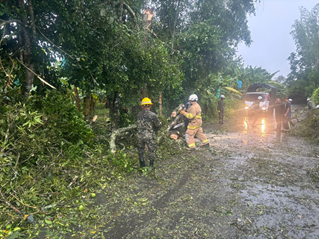
La tranquilidad de los verdes cafetales colombianos se ve hoy amenazada por una
sombra que los habitantes del Eje Cafetero esperaban haber dejado en el pasado.
En un movimiento conjunto que denota urgencia, los gobernadores de Caldas y
Risaralda han alzado la voz ante el Gobierno Nacional, exigiendo un refuerzo
militar inmediato para
|
|
blindar sus zonas limítrofes. La
preocupación no es menor; informes de inteligencia sugieren que grupos armados
buscan expandir sus rutas de control hacia las zonas rurales de la cordillera
Central, un corredor estratégico que conecta el corazón del país.
Para los campesinos que recolectan el grano cada mañana, la presencia de rostros
desconocidos y el rumor de presiones ilegales han transformado el paisaje. Los
mandatarios regionales insisten en que la seguridad no es negociable si se
quiere mantener la prosperidad turística y agrícola de la región. No se trata
solo de enviar tropas, sino de recuperar la confianza de una comunidad que teme
quedar atrapada en el fuego cruzado de ambiciones externas. Este llamado es un
recordatorio de que, a pesar de los discursos de paz, el control territorial
sigue siendo la batalla más cruda en las montañas de Colombia, donde la libertad
de movimiento es el activo más valioso.
Mountain Shield: The Coffee Axis Cries Out for
Security
The tranquility of Colombia’s lush
coffee plantations is currently threatened by a shadow that residents of the
Coffee Axis hoped remained in the past. In a joint move signaling urgency, the
governors of Caldas and Risaralda have raised their voices to the National
Government, demanding immediate military reinforcements to shield their border
areas. The concern is significant; intelligence reports suggest that armed
groups are seeking to expand their control routes toward the rural zones of the
Central Cordillera, a strategic corridor connecting the heart of the country.
For the farmers who harvest coffee beans every morning, the presence of
unfamiliar faces and rumors of illegal pressure have transformed the landscape.
Regional leaders insist that security is non-negotiable if the region's tourism
and agricultural prosperity are to be maintained. It is not merely about sending
troops, but about reclaiming the trust of a community that fears being caught in
the crossfire of external ambitions. This plea serves as a stark reminder that,
despite peace rhetoric, territorial control remains the harshest battle in the
mountains of Colombia, where freedom of movement is the most precious asset. As
the sun sets over the peaks, the promise of safety becomes the only bridge
toward a stable future for thousands of families.
Bogotá: El Corazón de la Batalla Electoral
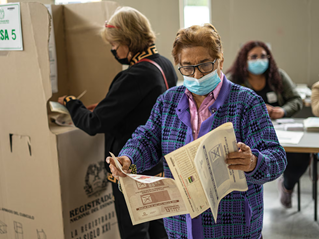
La carrera por la Casa de Nariño se ha trasladado con fuerza a las calles de
Bogotá. A medida que se acercan las elecciones del 31 de mayo, el Pacto
Histórico ha intensificado su despliegue en las localidades más pobladas de la
capital, buscando blindar su bastión histórico. Las banderas y los discursos
apasionados han vuelto a plazas como Kennedy y Suba, donde la coalición de
gobierno intenta movilizar a una ciudadanía que se debate entre la continuidad
del cambio o el giro hacia nuevas alternativas.
Analistas políticos coinciden en que Bogotá no es solo un censo electoral, sino
el termómetro emocional del país. La estrategia es clara: consolidar la base
popular antes de que la oposición gane terreno en el debate urbano. En este
ajedrez político, cada barrio se convierte en una trinchera donde se decide,
voto a voto, el futuro inmediato de Colombia.
|
|

Bogotá: The Heart of the Electoral Battle
The race for the Casa de Nariño has
moved forcefully into the streets of Bogotá. As the May 31 elections approach,
the Pacto Histórico has intensified its deployment in the capital’s most
populous districts, seeking to shield its historical stronghold. Flags and
passionate speeches have returned to squares in Kennedy and Suba, where the
government coalition attempts to mobilize citizens torn between continuing the
current "change" or pivoting toward new alternatives.
Political analysts agree that Bogotá is not just an electoral census but the
country’s emotional thermometer. The strategy is clear: consolidate the
grassroots base before the opposition gains ground in the urban debate. In this
political chessboard, every neighborhood becomes a trench where Colombia’s
immediate future is decided, vote by vote. For many Bogotanos, the coming weeks
represent more than a choice; they are a defining moment for the nation’s social
and economic direction.
Inyección Multimillonaria para el Futuro Educativo
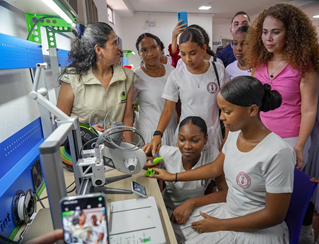
El Gobierno Nacional ha dado un paso audaz para transformar el panorama
intelectual de Colombia con la aprobación del CONPES 4188. Esta ambiciosa
política destina una cifra histórica de 2,04 billones de pesos para renovar el
sistema educativo, posicionando a Bogotá como el epicentro de esta metamorfosis.
Más allá de las frías cifras presupuestarias, este proyecto busca cerrar las
brechas sociales que han limitado a miles de jóvenes.
La inversión se centrará en modernizar infraestructuras obsoletas y fortalecer
la formación docente, entendiendo que la calidad educativa es el motor real de
la equidad. Para las familias bogotanas, esto representa una promesa tangible de
progreso y una apuesta por el talento local. En un momento de incertidumbre
económica, priorizar el aula sobre el cemento envía un mensaje claro: el capital
más valioso de la nación no está en sus recursos naturales, sino en el potencial
de sus estudiantes.
A Multibillion-Dollar Injection for Education's
Future
The National Government has taken a
bold step to transform Colombia's intellectual landscape with the approval of
CONPES 4188. This ambitious policy allocates a historic 2.04 trillion pesos to
revamp the educational system, positioning Bogotá as the epicenter of this
metamorphosis. Beyond cold budgetary figures, this project seeks to bridge the
social gaps that have long limited thousands of young people. The investment
will focus on modernizing obsolete infrastructure and strengthening teacher
training, understanding that educational quality is the true engine of equity.
For families in Bogotá, this represents a tangible promise of progress and a bet
on local talent. In a time of economic uncertainty, prioritizing the classroom
over concrete sends a clear message: the nation's most valuable capital lies not
in its natural resources, but in the potential of its students. This funding
marks a turning point for social mobility in the capital’s most vulnerable
sectors.
|