|
|
|||||||
|
Pereira, Colombia - Edición: 13.808-1388 Fecha: Jueves 23-04-2026 |
POLÍTICA Y ECONOMÍA GLOBAL |
|
-14 |
||||
|
El Fin de la Hegemonía: Cuando el Dólar Dejó de ser el Centro del Mundo
|
|||||||
|
|
from Washington's guidelines is
seen as economic heresy, ignoring that it is precisely this blind dependence
that today exposes our economy to systemic vulnerability. The government
understood that the world is no longer unipolar; the right, conversely,
preferred to keep sinking with the ship of aggressive protectionism and Donald
Trump's incendiary tariffs.
Meanwhile, the BRICS bloc has moved from theory to practice. De-dollarization is no longer a slogan from international forums; it is a daily reality in the trade of oil, technology, and industry. The world has learned that depending on the greenback implies a strategic fragility they are no longer willing to assume. In this context, the insistence of Colombian conservative sectors on keeping us tied to the erratic policies of the United States is not only anachronistic but dangerous. The market does not vote, but it punishes, and it is doing so with a brutality that leaves big banks like JP Morgan on shaky ground.
The inflation exported by the United States, a result of its fractured supply
chains and internal disorder, has eroded the credibility of its currency. When
the dollar stops representing stability and becomes a risk factor, capital flees.
Colombia finds itself at a historical crossroads. The government has mapped out
a path of diversification and financial sovereignty, recognizing that the future
is written in multiple currencies and under new rules of the game. The right,
trapped in a nostalgia for subordination, continues to defend a model of
hegemony that Trump himself, with his clumsy decisions, ended up raffling away.
Financial leadership is no longer imposed by force; it is earned with trust, and
today, that trust has evaporated among the rubble of Wall Street. As the global
south seeks autonomy, Colombia must decide whether to be a protagonist in the
new multipolar order or remain a mere spectator of a collapsing empire. The
signs are clear, and history will judge those who chose to ignore them in favor
of an obsolete loyalty.
|
||||||
|
El
panorama financiero global está sufriendo una metamorfosis que pocos
se atrevieron a diagnosticar con la crudeza que hoy nos golpea.
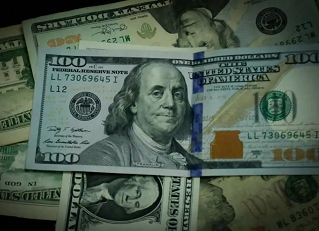
Durante décadas, el dólar estadounidense no fue solo una moneda; fue
el eje gravitacional sobre el cual giraba la estabilidad de las
naciones, el comercio de la energía y el ahorro de las familias. Sin
embargo, ese monolito se está resquebrajando. Lo que hoy
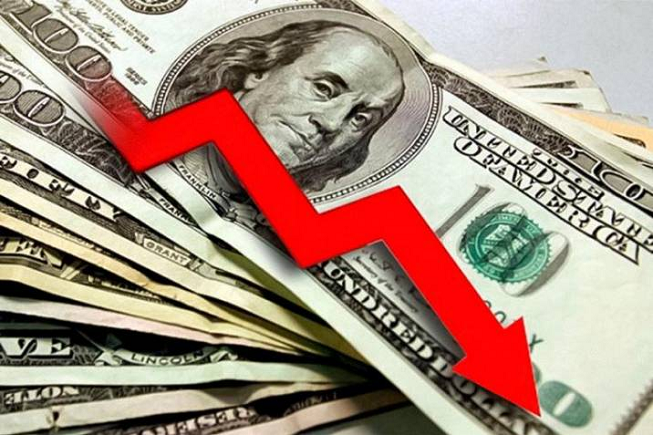
presenciamos en las pantallas de Wall Street, teñidas de un rojo
persistente, no es un simple bache técnico o una corrección natural
del mercado. Es el resultado de una demolición política ejecutada
desde el corazón mismo de la potencia del norte, una implosión que
ha forzado al mundo a buscar salvavidas en otros puertos.
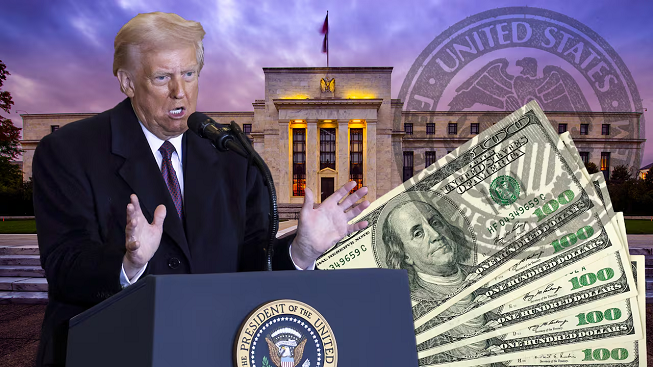
La caída de Wall Street es el veredicto final sobre una gestión que convirtió la diplomacia económica en un campo de batalla de egos. El uso del dólar como arma política —a través de sanciones, bloqueos y amenazas arancelarias— terminó por asustar incluso a los aliados más cercanos. Europa, tradicional bastión de la influencia transatlántica, ha comenzado a cerrar filas para proteger sus transacciones, limitando su dependencia de un sistema que se ha vuelto impredecible y "tóxico". No es una cuestión de ideología, es pura supervivencia: nadie quiere que su estabilidad financiera dependa del humor de un líder que usa el comercio global como dinamita.
Mientras tanto, el bloque de los BRICS ha pasado de la teoría a la
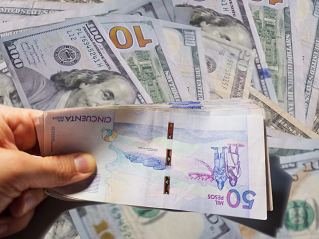
práctica. La desdolarización ya no es un eslogan de foros
internacionales; es una realidad cotidiana en el comercio de
petróleo, tecnología e industria. El mundo ha aprendido que depender
del billete verde implica una fragilidad estratégica que ya no están
dispuestos a asumir. En este contexto, la insistencia de los
sectores conservadores |
colombianos en mantenernos atados a
las políticas erráticas de Estados Unidos resulta no solo anacrónica, sino
peligrosa. El mercado no vota, pero castiga, y lo está haciendo con una
brutalidad que deja a los grandes bancos como JP Morgan en terrenos movedizos.
The End of Hegemony: When the Dollar Ceased to be the World's Center
The global financial landscape is undergoing a metamorphosis that few dared to
diagnose with the starkness hitting us today. For decades, the U.S. dollar was
not just a currency; it was the gravitational axis upon which the stability of
nations, energy trade, and family savings revolved. However, that monolith is
cracking. What we witness today on Wall Street screens, tinged with a persistent
red, is not a simple technical glitch or a natural market correction. It is the
result of a political demolition executed from the very heart of the Northern
power, an implosion that has forced the world to seek lifelines in other ports.
|
||||||
|
|
|||||||

|
|
|
|
|
|
|
|
||





|
© El Imparcial Editores S.A.S
| Contacto
57 606 347
7079
© 1948-2009 - 2025 - El
Imparcial - La idea y concepto de este periódico
fue hecho en Online Periodical Format (OPF) que es un
Copyright de ZahurK.
Queda prohibido el uso de este formato e idea (OPF) sin previa autorización
escrita de ZahurK |