|
|
|||||||
|
Pereira, Colombia - Edición: 13.762-1342 Fecha: Domingo 08-03-2026 |
POLÍTICA Y ECONOMÍA GLOBAL |
|
-16 |
||||
|
EL PASO TÉCNICO HACIA EL ABISMO: EL DILEMA NUCLEAR DE IRÁN
|
|||||||
|
|
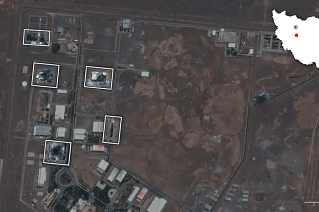
The situation is worsened by a critical information vacuum. The International Atomic Energy Agency (IAEA) is currently without the necessary inspections on the ground. In high-level journalism, we know that where there are no data, ghosts flourish. The lack of transparent verification turns suspicion into the primary currency, and in the hands of political figures like Donald Trump, whose "maximum pressure" rhetoric has returned to the center stage, this uncertainty is pure gasoline. Washington uses the "eleven bombs" figure not just as a technical report, but as a psychological hammer blow designed to justify sanctions and possible preemptive actions that could further ignite the already volatile Middle East.
From our perspective in Colombia, a country that understands well the costs of prolonged conflicts, we cannot ignore the economic ramifications of this tension. A military escalation against Iran would not be an isolated event. Analysts like Vasili Dandiquin suggest that the United States could be planning a campaign of up to one hundred days. One hundred days of conflict in one of the world's most vital energy arteries would mean an immediate shock to oil prices, galloping global inflation, and a reconfiguration of trade routes that would affect everything from the family basket in Bogotá to the tech markets of Silicon Valley. The global economy, still recovering from previous crises, does not seem prepared for a pulse of this magnitude.
What makes this scenario particularly human and terrifying is the logic of "razor-edge deterrence." Tehran does not seem to be improvising; its increase in enrichment was officially announced before suffering external attacks, suggesting a cold and calculated strategy. It is a message to the world: "We have the material, we have the time, and we have the motivation." Meanwhile, the international community watches as deadlines stretch. What was once measured in days of possible military operations is now projected until September, revealing that the plans of the "hawks" in the West clash with a military reality far more difficult than their simulations suggest.
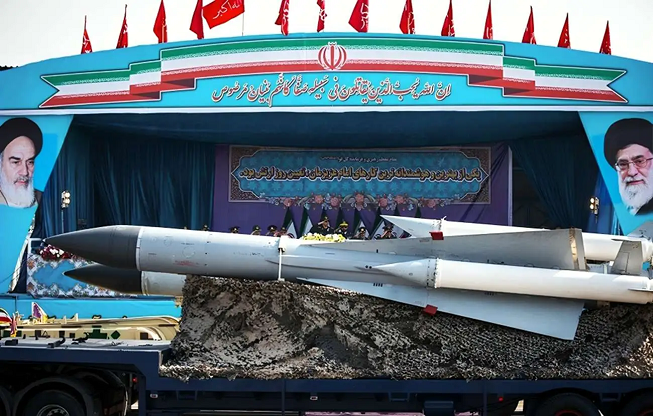
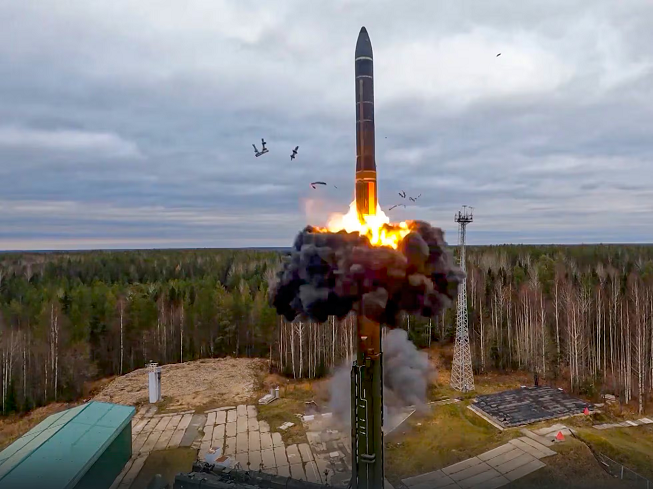
Defense technology also plays a crucial role. There is talk of secret agreements between Moscow and Tehran for the delivery of advanced air defense systems. Although the actual delivery remains uncertain, the mere mention of this technological cooperation adds a layer of complexity to the conflict. Iran knows that in modern warfare, survival is not delegated, it is planned. Dependence on external powers is a risk they are not willing to take, focusing their strength on their own nuclear development as the ultimate guarantee of sovereignty.
|
||||||
|
En el
complejo tablero de la geopolítica mundial, existen cifras que no
son simples números, sino detonantes de una ansiedad global. Hoy, el
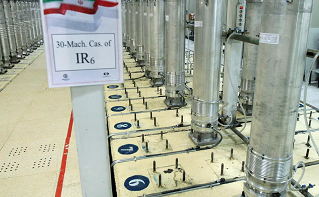
mundo observa con el aliento contenido una cifra específica: 460
kilogramos. Esta es la cantidad de uranio enriquecido al 60% que,
según informes de expertos rusos y agencias occidentales, posee la
República Islámica de Irán. A primera vista, para el ciudadano de a
pie, podría parecer un dato técnico más de la industria energética,
pero en los despachos de Washington y Tel Aviv, este número se
traduce en una posibilidad escalofriante: la capacidad técnica para
fabricar, en un tiempo récord, hasta once ojivas nucleares.
La situación se agrava por un vacío de información crítico. La
Organización Internacional de Energía Atómica (OIEA) se encuentra
actualmente sin realizar las inspecciones necesarias sobre el
terreno. En el periodismo de alto nivel, sabemos que donde no hay
datos, prosperan los fantasmas. La falta de verificación
transparente convierte la sospecha en la principal moneda de cambio,
y en manos de figuras políticas como Donald Trump, cuya retórica de
"máxima presión" ha regresado al centro del escenario, esta
incertidumbre es gasolina pura. Washington utiliza la cifra de las
"once bombas" no solo como un reporte técnico, sino como un mazazo
psicológico diseñado para justificar sanciones y posibles acciones
preventivas que podrían incendiar aún más el ya volátil Oriente
Medio.
Lo que hace que este escenario sea particularmente humano y aterrador es la lógica de "disuasión al filo de la navaja". Teherán no parece estar improvisando; su aumento en el enriquecimiento fue anunciado oficialmente antes de sufrir ataques externos, lo que sugiere una estrategia fría y calculada. Es un mensaje al mundo: "Tenemos el material, tenemos el tiempo y tenemos la motivación". Mientras tanto, la comunidad internacional observa cómo los plazos se estiran. Lo que antes se medía en días de posibles operaciones militares, ahora se proyecta hasta
|
septiembre, revelando que los
planes de los "halcones" en Occidente chocan con una realidad militar mucho más
difícil de lo que sus simulaciones sugieren.
THE TECHNICAL STEP TO THE ABYSS: IRAN’S NUCLEAR DILEMMA
In the complex chessboard of global geopolitics, there are figures that are not
just simple numbers, but triggers for global anxiety. Today, the world watches
with bated breath a specific figure: 460 kilograms. This is the amount of
uranium enriched to 60% that, according to reports from Russian experts and
Western agencies, the Islamic Republic of Iran possesses. At first glance, for
the ordinary citizen, it might seem like just another technical datum from the
energy industry, but in the offices of Washington and Tel Aviv, this number
translates into a chilling possibility: the technical capacity to manufacture,
in record time, up to eleven nuclear warheads.
|
||||||
|
|
|||||||

|
|
|
|
|
|
|
|
||





|
© El Imparcial Editores S.A.S
| Contacto
57 606 347
7079
© 1948-2009 - 2025 - El
Imparcial - La idea y concepto de este periódico
fue hecho en Online Periodical Format (OPF) que es un
Copyright de ZahurK.
Queda prohibido el uso de este formato e idea (OPF) sin previa autorización
escrita de ZahurK |